

Liz R. (she/her)
Master of Arts in Clinical Mental Health Counseling, New York University New York, NY - Expected: May 2027
Bachelor of Arts in Psychology, Widener University, Chester, PA May 2025
$65 - $85 / 50-min session
Accepting new clients
Virtual and In Person.
About Me
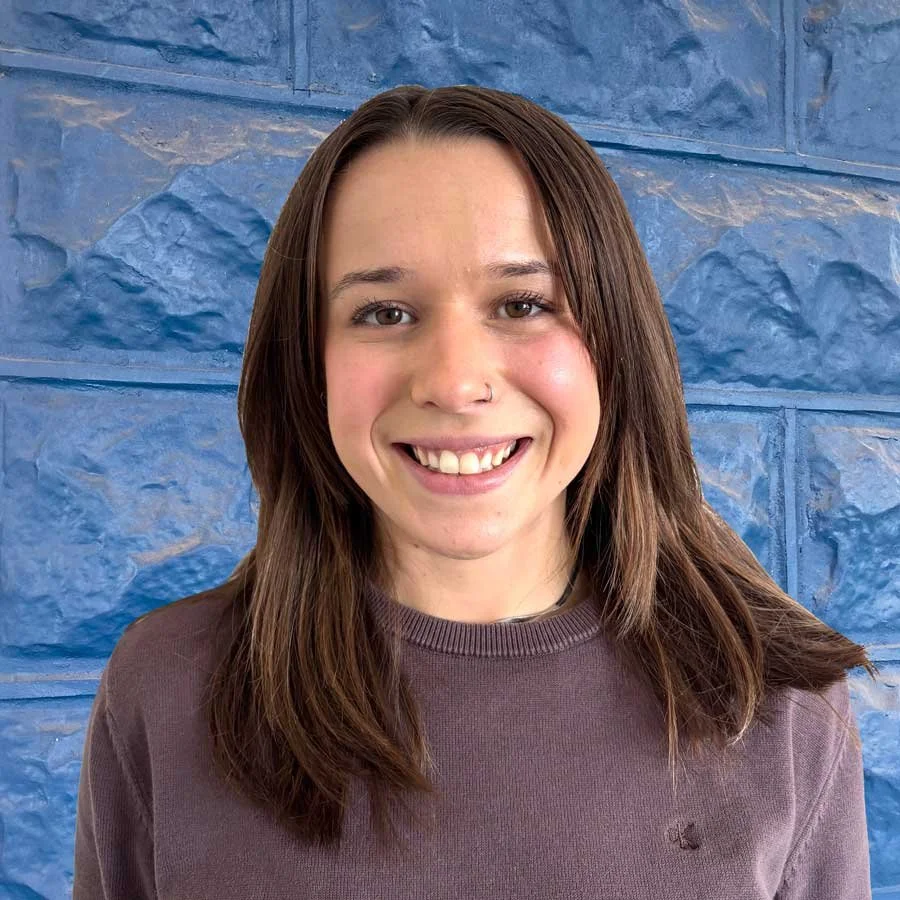
Hi! My name is Elizabeth, but you can call me Liz. I am currently a student at New York University, studying clinical mental health counseling and completing my practicum and internship hours at Arrive Therapy.
In my free time, I listen to music whenever I get the chance. Music is a large part of my life. I frequently attend concerts, keep up with pop culture, and go outdoors, as I am an avid snowboarder!
Specialties
Anxiety and Depression
GA Surgery Letters
Bipolar Disorder
Gender Dysphoria
Schizophrenia
PTSD and Trauma
Substance Use
Looking for something specific?
Disclaimer: This list is not exhaustive, and therapists are always expanding their skill sets.
Why I Am Becoming A Therapist
I am becoming a therapist because of my own experiences navigating mental health and trauma. Finding validating support showed me the power of mental health counseling. It led me to learn about mental health processes and theories, which confirmed my passion. Working in residential mental health settings serving individuals with bipolar, schizophrenia, schizoaffective, and personality disorders strengthened my dedication and advocacy to providing affirming care rooted in social justice.
Modalities (at a glance)
-
Person-centered therapy, also referred to as non-directive, client-centered, or Rogerian therapy, was pioneered by Carl Rogers in the early 1940s. This form of psychotherapy is grounded in the idea that people are inherently motivated toward achieving positive psychological functioning. The client is believed to be the expert in their life and leads the general direction of therapy, while the therapist takes a non-directive role. This activity reviews person-centered therapy and highlights the role of the interprofessional team in improving care for patients who undergo person-centered therapy.
-
Narrative therapy is a collaborative, non-blaming therapy that views people as separate from their problems, helping them rewrite their life stories to gain empowerment and agency. It works by externalizing problems (treating them as separate entities) and deconstructing dominant, often negative, stories to discover "unique outcomes" or strengths, allowing clients to author more empowering alternative narratives that reflect their values and goals, rather than being defined by their difficulties.
-
-
Cognitive Behavioral Therapy (CBT) is a structured, goal-oriented talk therapy that helps people identify and change negative thinking patterns and unhelpful behaviors to improve how they feel and cope with challenges. It's based on the idea that our thoughts, feelings, and behaviors are interconnected, and by changing distorted thinking, we can change our emotional responses and actions, making it effective for conditions like depression, anxiety, PTSD, and chronic pain.
-

Who I Help
LGBTQIA+ folx looking for gender-affirming care that empowers identity and exploration
Teens and Adults navigating anxiety, depression, bipolar disorder, or PTSD
Folks seeking support for substance use concerns
Allies of the LGBTQIA+ community
Individuals who have survived trauma
How I Work
-
I'm not here to judge you. I'm here to see you, and hear you- all of you. We are also on this journey together. I'm here to listen, support, challenge and empower as we both see fit.
-
-
-
-
-
-
-

What to Expect (first 1–2 sessions)
You get to tell me about yourself!
We define your goals, needs, and what safety and support look like for you.
We co-create a plan to get started (presenting concerns, how frequently you'd like to meet, and where we'd like to begin)
Looking for something specific?

Liz’s Book Recommendations



Liz’s Guide Picks
Resources I often share with clients.

Chromosomes play a significant role in determining biological sex, but the traditional binary understanding of sex as solely male (XY) or female (XX) oversimplifies the complexity of sex determination. Many other chromosomal arrangements and inherent variations in gene expression patterns exist, leading to a more nuanced understanding of sex as a spectrum comprised of many traits. Intersex variations, which encompass a wide range of natural biological differences, can involve differences in chromosomes, external genitalia, internal reproductive organs, hormone production, and hormone responsiveness. These variations challenge the binary classification of sex and highlight the diversity of biological sex characteristics.

Arrive Therapy offers a comprehensive range of support services for transgender, non-binary, and gender-questioning individuals through their trans and non-binary groups. These groups provide a safe and inclusive space for members of the LGBTQIA+ community to explore their gender identity, navigate the challenges of transitioning, and receive support from experienced therapists and peers.

What’s it like being trans in rural Pennsylvania?
“Approximately 16% of trans Americans live in rural areas.” A 2019 report by the Movement Advancement Project, a Colorado nonprofit focused on LGBTQ equality and democracy, said that population faces unique challenges, including higher rates of poverty and “increased visibility.” Rural Americans simply don’t see or know many trans people so women like Stephanie are more noticeable, and, according to MAP, that can “increase the risk of targeting or mistreatment” (Movement Advancement Project).
Living as a transgender individual in rural Pennsylvania comes with its own set of challenges and triumphs. In a landscape often characterized by traditional values and close-knit communities, individuals breaking free from societal norms can find themselves on a unique journey of self-discovery and acceptance. In this blog, we'll explore the experiences, obstacles, and victories of being transgender in the heart of rural Pennsylvania.

Directed by Julie Cohen, "Every Body" examines the trauma that many intersex people experience, but ultimately provides a feel-good take on the community.
Availability & Locations Served
Telehealth for clients in Pennsylvania, New Jersey, and New York (teens with guardian consent as required and adults).

Pennsylvania

New Jersey