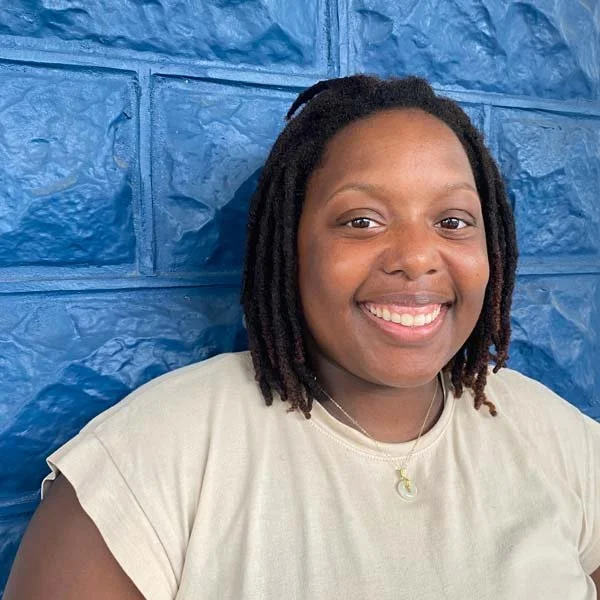
Jay G.D., LSW (they/them)
SPECIALTIES
Depression
ADHD
Autism
Anxiety
Sexual Trauma
PTSD/Trauma/CPTSD
OCD
Gender Dysphoria
Interpersonal Relationships and Intimacy Concerns
Personality Disorders
Coping Skills
Family Conflict
Life Transitions
Sex Positive, Kink
EDUCATION
Rutgers University: Master’s of Social Work
Kean University: Bachelor of Arts in Psychology
$175 / 50-min session
Accepting new clients
Virtual and In Person
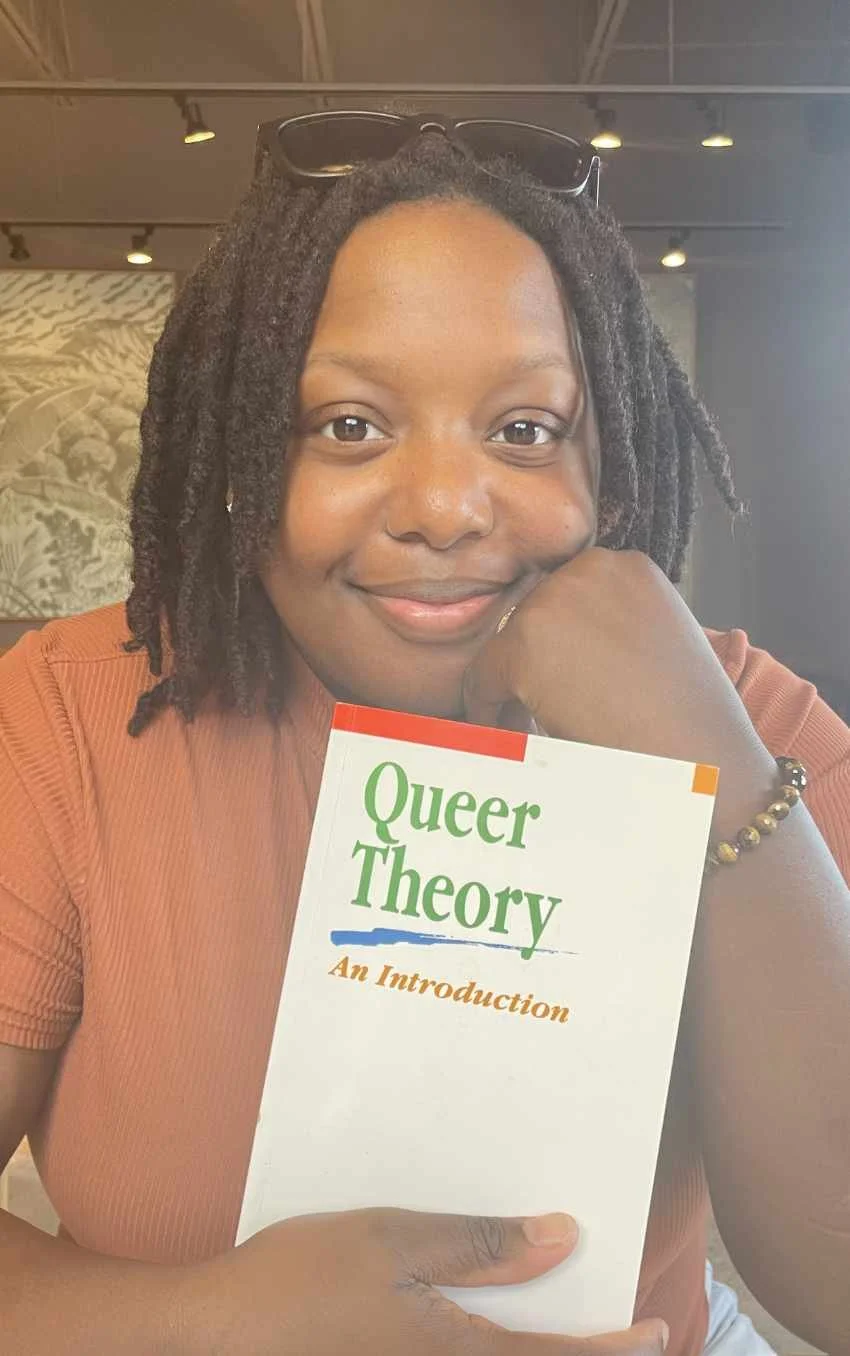
About Me
I'm an adventurer. I love to try almost anything that interests me and I think life is all about following your curiosities when you can!
This has made me a traveler and a thrill seeker. Trips, roller coasters, zip-lining, hikes, meeting new people and hearing new perspectives. That's really my jam!
When I can't personally seek out fun quests, I enjoy reading as another way to express that inner need for adventure. I love finding ways to relate to characters. Comic books are my favorite reads but anything with an epic tale will get my attention. I love art in general; it's something that helps humans connect with each other.
In my free time, I write about the world around me, critically engage with movies and dissect whatever song has taken over my speakers that week. I was raised an unconventional philosopher; I enjoy deconstructing, examining, and reconstructing ideas. "It's a lifestyle, Brian" :) So having art as a medium for thought and conversation with others really fits who I am.
In my external world, I'm a family person and I enjoy being a queer wife/husband. At home, I have my lovely wife, who is also an amazing Black queer philosopher. I also have a little baby maltipoo boy who is the light of our lives and owns my heart. I love education and am constantly talking myself out of going back to school, although I know one day I'll cave.
I was raised to believe knowledge is power so with or without school, education and learning new things are a part of my daily self-care.
Specialties
Depression
ADHD
Autism
Anxiety
Sexual Trauma
PTSD/Trauma/CPTSD
OCD
Gender Dysphoria
Interpersonal Relationships and Intimacy Concerns
Personality Disorders
Coping Skills
Family Conflict
Life Transitions
Sex Positive, Kink
Disclaimer: This list is not exhaustive, and therapists are always expanding their skill sets.
Looking for something specific?
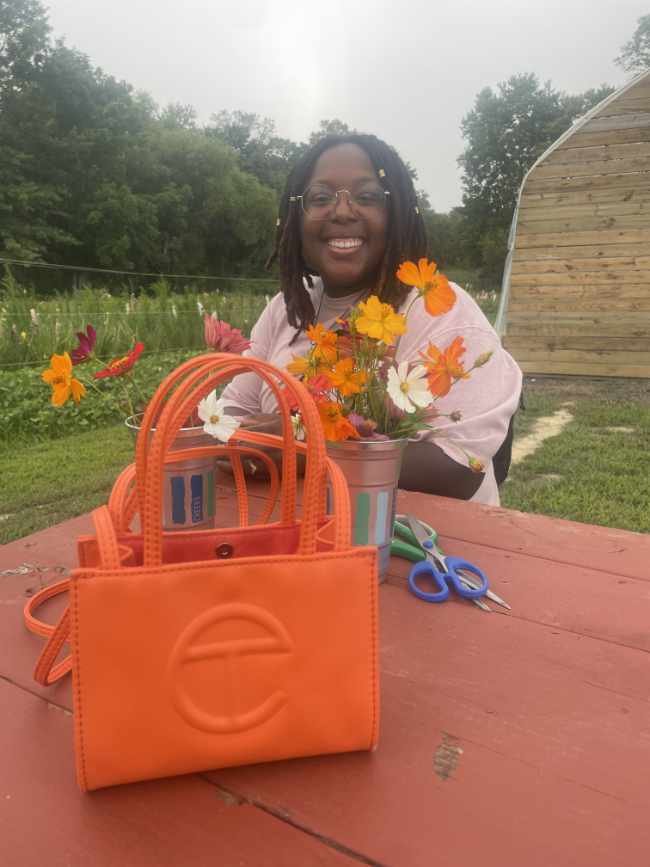
Why I Became A Therapist
From a young age, I had a strong sense of identity, which inspired me to help others explore and embrace their own. This self-awareness gave me the confidence to support others, even as I continued to grow myself.
As my passion for advocacy and community building developed, I began creating inclusive spaces where people could come together to learn, connect, and feel seen. This began with founding a Gay-Straight Alliance in high school and expanded into civic engagement efforts, such as encouraging voter participation in my community.
I carried this same commitment into college, constantly seeking meaningful ways to uplift and support the diverse communities I’m part of.
Modalities (at a glance)
An approach that helps you process and heal from difficult or painful past experiences.
Explores questions of meaning, purpose, and how you want to live given life's uncertainties.
Blends techniques from different therapy styles to fit what actually works for you.
Looks at how past experiences and unconscious patterns shape how you think and act today.
Teaches skills for managing intense emotions and improving relationships.
Helps you notice and shift unhelpful thought patterns that affect how you feel and act.
A structured approach for working through the impact of trauma on your beliefs about yourself and the world.
Looks at how family relationships and roles influence what you're going through.
Centers your own growth, self-awareness, and potential, trusting you to guide the direction of change.
Views the mind as made up of different parts, helping you understand and work with them rather than against them.
Uses present-moment awareness practices to help you respond to stress and emotions with more ease.
Helps you reshape the story you tell about your life and separate yourself from the problem.
Offers a supportive, non-judgmental space where you're the expert on your own experience.
Helps you accept difficult thoughts and feelings while committing to actions aligned with your values.
Supports you in exploring your own reasons for change at a pace that feels right.
Brings family members together to improve communication and work through shared challenges.
A structured, collaborative approach for working with someone experiencing suicidal thoughts.
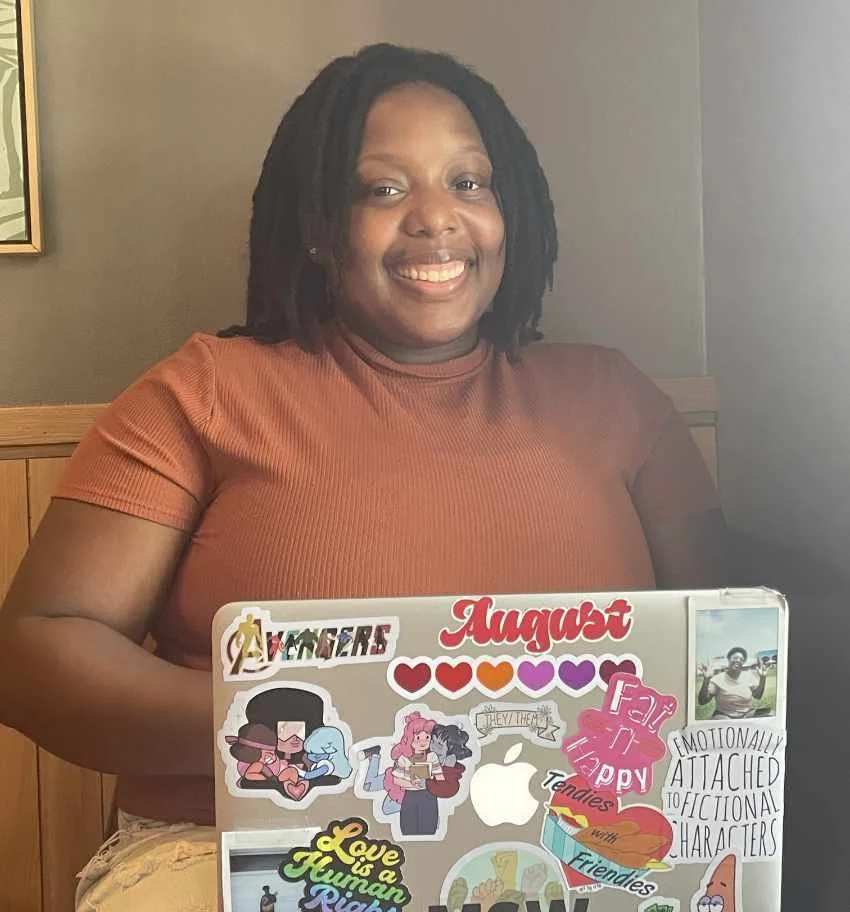
Who I Help:
LGBTQ individuals
Folks with gender dysphoria
People navigating oppressive systems
Humans navigating Trauma
How I Work
Client Centered & Collaborative
Affirming
Trauma Informed
Skills + Insight
Challenge
Transparency
Explorative
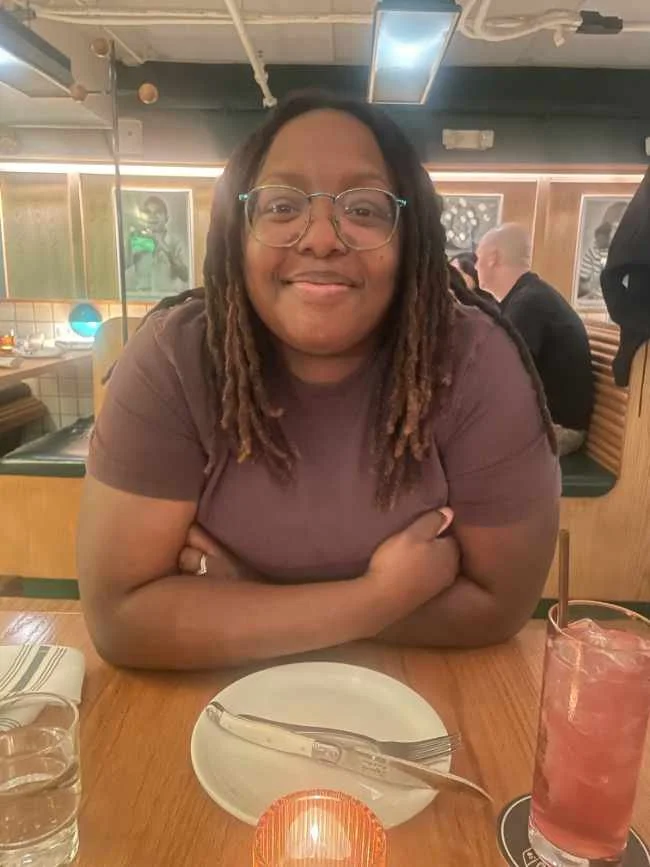
What to Expect
Our first 1-2 sessions are about learning what you want out of therapy and out of this therapeutic space. Expect to be a collaborator in your healing.
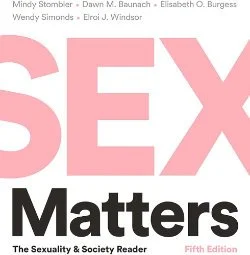
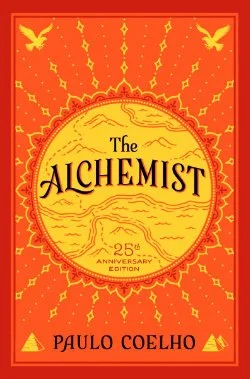
Jay’s Book Recommendations
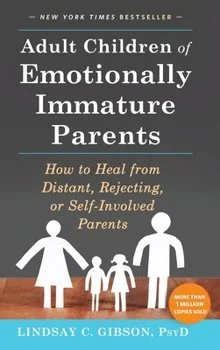
Adult Children of Emotionally Immature Parents
Lindsay C. Gibson's guide to healing from distant, rejecting, or self-involved parents.
Availability & Locations Served
Telehealth for clients in Pennsylvania, New Jersey and New York (teens with guardian consent as required and adults).

Pennsylvania

New Jersey

New York
Jay’s Blog Picks
Resources I often share with clients.

The Rise of "They" Pronouns: Shaping Language & Gender
The use of singular "they/them" pronouns to refer to individuals who identify as non-binary or gender non-conforming is becoming increasingly common. A recent study examined how the adoption of these pronouns is impacting language and societal perceptions of gender.

Gender is a Social Construct: The Role of Chromosomes in Gender Assignment
Chromosomes play a significant role in determining biological sex, but the traditional binary understanding of sex as solely male (XY) or female (XX) oversimplifies the complexity of sex determination. Many other chromosomal arrangements and inherent variations in gene expression patterns exist, leading to a more nuanced understanding of sex as a spectrum comprised of many traits. Intersex variations, which encompass a wide range of natural biological differences, can involve differences in chromosomes, external genitalia, internal reproductive organs, hormone production, and hormone responsiveness. These variations challenge the binary classification of sex and highlight the diversity of biological sex characteristics.

What are the Ways to Express Gender Identity?
Understanding gender identity can feel like a journey into a world full of rich and diverse experiences. At its heart, gender identity is about who you know yourself to be, beyond just the labels society might put on you. It’s a deeply personal part of who we are, and expressing it can be a powerful way to connect with yourself and the world around you.

Gender identity is a fundamental aspect of who we are. It shapes our experiences, relationships, and how we see ourselves in the world. For many, expressing this identity is not just a matter of preference but a crucial part of their mental and emotional well-being. This post explores why it’s important to express your gender identity, delving into personal growth, child development, and the broader impact of this expression on our lives. Understanding the importance of Gender-Affirming Therapy in Paoli, PA can further support this journey.