

Gender-affirming, trauma-informed therapy for 18+ and adults.
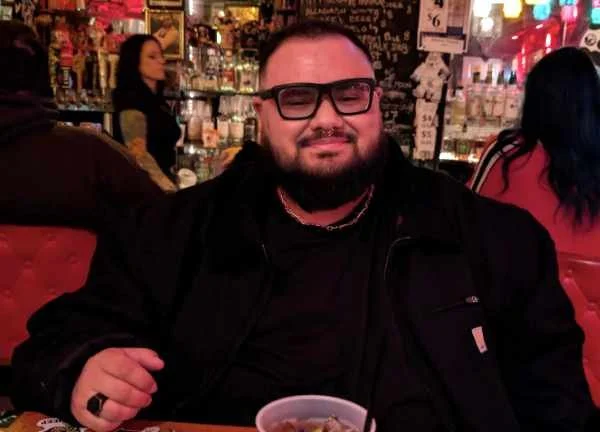
Dax E., M.A. (he/him)

Specialties
LGBTQ-affirming
Gender dysphoria
Transition-related care (especially transmasculine/FTM)
Identity exploration and coming out
Depression and anxiety
OCD
Bipolar
Relationships and intimacy
Body image
Substance use
EDUCATION
Drexel University, Bachelors in Psychology
University of Pennsylvania, Intern in Master’s program, supervised towards Masters Degree, Mental Health Counseling, LPC
$85 / 50-min session
$115 / surgery letters
Accepting new clients starting in July 2026
Virtual and In Person
About Me
My name is Dakota, but feel free to call me Dax.
I identify as a transgender man, and my pronouns are he/him/his. I believe therapy is for everyone and that growth is a turbulent process best experienced under the care of a therapist who allows you to be your authentic self. Further, I believe that queer clients deserve specialized, well-informed care that recognizes the nuances involved in queer life, which is what draws me to Arrive Therapy.
I encourage clients to be themselves with me, no matter what that looks like. My goal is to help clients navigate life’s complexities both safely and in a way that promotes positive mental and emotional growth/healing. As a clinician, I am LGBTQ-affirming, body-positive, intersectionally-feminist, kink-knowledgeable, and sex-positive, and I approach every client without judgment.
I am a firm believer in “think globally, act locally.” In my free time, I can be found seated for a film at an indie movie theater, reading at an indie coffee shop or by a body of water, in the stacks of an indie book store, crate-digging at a local record shop, volunteering for queer organizations, at a hardcore show, making music, or at a book club. If I am not in any of those places, I am cuddling my dogs on the couch.
Specialties
LGBTQ-affirming
Gender dysphoria
Transition-related care
(esp transmasc/FTM)
Depression & anxiety
OCD
Bipolar
Relationships & intimacy
Identity exploration & coming out
Body image
Substance use
Looking for something specific?

Disclaimer: This list is not exhaustive, and therapists are always expanding their skill sets.
Why I Became A Therapist
A trans therapist helped me get back on my feet when I was at one of my lowest points in life. Through our work together, I was able to understand more about my gender identity and how repressing it was causing significant problems in most other areas of my life.
I have also always enjoyed psychology, neuroscience, and learning about other people, so I found that providing therapy is a great way to combine my experience and expertise while "paying it forward" to other LGBTQ+ folks who are navigating their lives and identities. My goal in life is to leave the world a little better than I found it. I believe therapy helps to improve the community, and therefore the world, one individual at a time.
Modalities (at a glance)
-
Focuses on personal responsibility and experiencing the present moment. The therapist helps clients become aware of their thoughts, feelings, and behaviors in the "here and now" rather than dwelling on past events. Key techniques include exploring how unfinished business from the past interferes with current functioning, and using experiments or role-play to increase awareness and integration.
-
Based on the idea that unconscious thoughts and past experiences shape current behavior and emotional patterns. The therapist helps clients uncover and understand these hidden influences, often through exploring childhood experiences, defense mechanisms, and recurring relationship patterns. The goal is insight into how the past drives present struggles.
I Help Folks Who Are:
Ready to shift limiting beliefs — and take meaningful action toward change
Valuing growth and learning — including identity exploration and healthy challenges
Navigating complex emotions — and seeking non-judgmental support
Couples/constellations — working on communication and intimacy
Preferring solution-based approaches
Seeking to resolve unfinished business — from past experiences
How I Work
Gender- and sexuality-affirming. I will support and believe your identity.
Person-centered. Together, we will build a solid rapport and relationship to facilitate trust and growth. I will work to make you feel "comfortable to get uncomfortable."
Trauma-focused. Understanding how any past trauma has impacted you and your understanding of the world, and how to navigate that.
"Care-frontation." Not being afraid to directly ask difficult questions and challenge ideas that are inhibiting growth.
Humor. Incorporating humor when appropriate/once rapport has been established and remembering that laughter is sometimes the best medicine.
Empowerment. Remembering that we all have the capacity to make choices and direct change in our lives.
What to Expect
(First 1–2 sessions)
We will determine your goals and set expectations for the therapeutic experience. We will collaborate to create a plan of action, such as determining how often therapy will take place, understanding any specific needs you may have, etc.
We can discuss what to expect as far as my approach to therapy and begin building a rapport together.





Availability & Locations Served
Telehealth for clients in Pennsylvania, New Jersey and New York (teens with guardian consent as required and adults).

Pennsylvania

New Jersey

New York
Dax’s Blog Picks
Resources I often share with clients.

Gender identity is a fundamental aspect of who we are. It shapes our experiences, relationships, and how we see ourselves in the world. For many, expressing this identity is not just a matter of preference but a crucial part of their mental and emotional well-being. This post explores why it’s important to express your gender identity, delving into personal growth, child development, and the broader impact of this expression on our lives.

Directed by Julie Cohen, "Every Body" examines the trauma that many intersex people experience, but ultimately provides a feel-good take on the community.
LGBTQ-affirming therapy offers a safe, inclusive space for individuals to explore their identities, process emotional challenges, and build resilience. For gay men, therapy can be a transformative experience, addressing unique pressures such as navigating societal stigma, managing relationships, and coping with mental health challenges like depression.

Understanding gender dysphoria and providing the right support can make a significant difference in the lives of those experiencing it.
Gender dysphoria, characterized by a profound discomfort with one’s assigned gender at birth, requires compassionate and effective therapeutic approaches.