

Eben H, LPC (he/him)
Credentials
Individual Therapy (50 mins): $175/session
Accepting new clients
Virtual and In Person

About Me
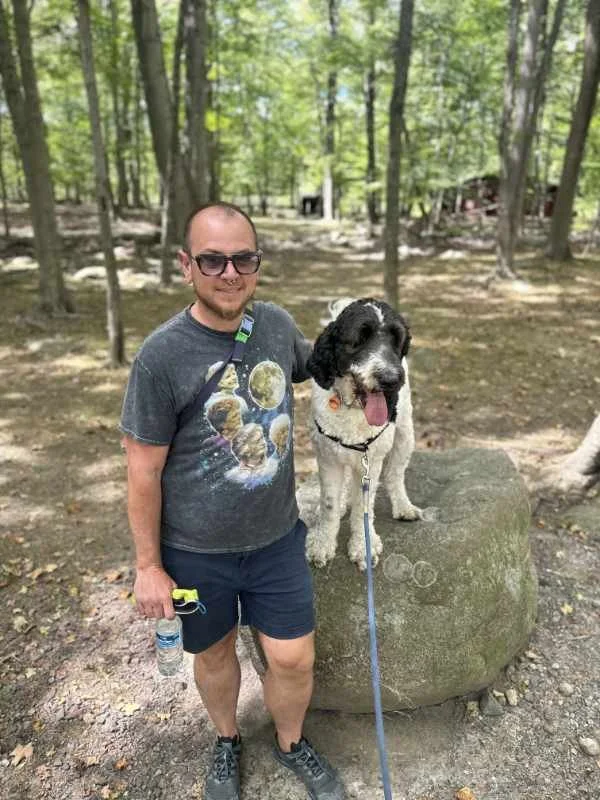
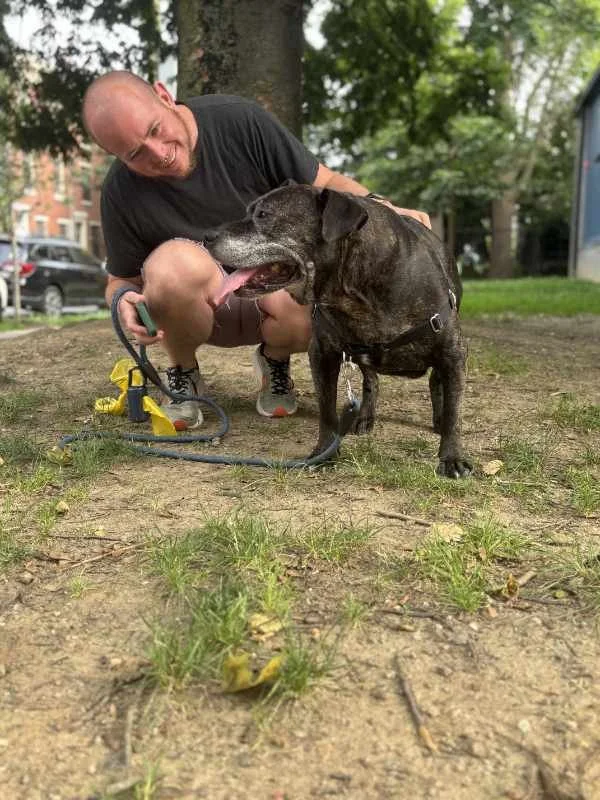
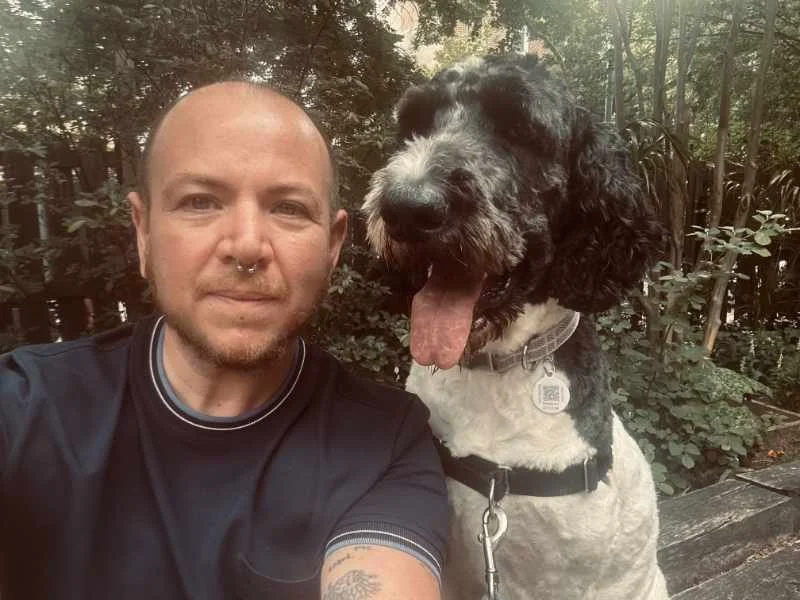
Hi, I'm Eben, and I've been a proud member of the Arrive Therapy team since 2021. As a gay trans man who transitioned over twenty years ago, I bring a deeply personal perspective to my work, alongside 15 years of experience in community mental health, HIV services, the court system, and housing programs. It is truly a privilege to support the trans and queer community through my work, and I approach every client with genuine curiosity and care for their unique story. When I'm not in session, you can find me hiking, baking, cheering at soccer games, or at home in Rhode Island with my husband, our rescue dog, and our cat.
Specialties
Gender dysphoria
Dual Diagnosis
Anxiety
Looking for something specific?
Disclaimer: This list is not exhaustive, and therapists are always expanding their skill sets.
Depression
Bipolar
Borderline Personality Disorder
Chronic illness
Grief
PTSD
Substance Use
Why I Became A Therapist
I became a therapist because I’ve always been drawn to the parts of life that are hard to talk about — identity, change, loss, and the ways we make meaning from them. Over time, I realized that being present with people in those moments, and helping them feel understood and grounded, is the work that feels most natural to me. Therapy gives me the chance to create space where people can be fully themselves and move toward the life they want to build.
Modalities (at a glance)
-
An overarching framework that recognizes the widespread impact of trauma on mental, emotional, and physical health. Practitioners prioritize physical and emotional safety, trustworthiness, and client empowerment, integrating an awareness of trauma into every aspect of care to avoid approaches that could inadvertently retraumatize.
-
Developed by Carl Rogers, this humanistic approach holds that people have an innate capacity for growth and self-healing when provided a safe, nonjudgmental environment. The therapist offers unconditional positive regard, empathy, and authenticity to help clients reconnect with their own inner wisdom.
-
An approach that helps clients separate their identity from their problems by exploring the stories they tell about themselves and their lives. Through this process, clients are empowered to rewrite unhelpful narratives and construct new, more affirming stories that better reflect their values and strengths.
-
Originally developed by Marsha Linehan for individuals with intense emotional experiences, DBT blends cognitive-behavioral techniques with mindfulness and acceptance strategies. It focuses on four core skill areas — mindfulness, distress tolerance, emotion regulation, and interpersonal effectiveness — to help clients build a life worth living.
-
A structured, evidence-based therapy that explores the connection between thoughts, feelings, and behaviors. Clients learn to identify distorted or unhelpful thinking patterns and replace them with more balanced, realistic ones, ultimately changing how they feel and act.
-
A collaborative, client-centered counseling style designed to strengthen a person's own motivation and commitment to change. Therapists use reflective listening and open-ended questions to help clients explore ambivalence and discover their internal reasons for making positive life changes.
-
A mindfulness-based behavioral therapy that encourages clients to accept difficult thoughts and feelings rather than fighting them, while committing to actions aligned with their core values. The goal is to increase psychological flexibility rather than eliminate discomfort.
Who I Help
Parents of Trans Kids
Individuals with trauma
LGBTQ individuals exploring gender and sexuality
Trans adults
Bipolar Adults
How I Work
I meet you where you are at without judgment or pressure
I create a queer-affirming and gender-affirming space, honoring your identity, pronouns, and lived experience.
I focus on collaboration and choice, so you stay in control of your goals, pace, and treatment plan.
I invite honesty, humor and curiosity into sessions
I integrate practical tools and reflection, helping you make meaningful, sustainable changes in a way that feels authentic to you.
I believe you’re the expert on your own experience; my role is to help you make sense of it and move toward what feels right for you.
What to Expect
(First 1–2 sessions)
In our first session we will talk about brings you therapy, and your current goals for therapy. You can share as much or as little as you want. I will make sure we have time to also go over how I work as a therapist, and answer any questions you may have.
In our second session together we can talk more about what came up during the intake. We can set goals and explore strategies and tools that fit you needs and pace.
Eben’s Book Recommendations

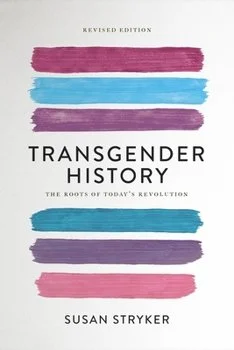

Transgender History:
Transgender History: The Roots of Today's Revolution, Susan Stryker

Stone Butch Blues
Availability & Locations Served
Telehealth for clients in Pennsylvania, New Jersey and New York (teens with guardian consent as required and adults).

Pennsylvania

New Jersey

New York
Eben’s Blog Picks
Resources I often share with clients.

The use of singular "they/them" pronouns to refer to individuals who identify as non-binary or gender non-conforming is becoming increasingly common. A recent study examined how the adoption of these pronouns is impacting language and societal perceptions of gender.

Directed by Julie Cohen, "Every Body" examines the trauma that many intersex people experience, but ultimately provides a feel-good take on the community.
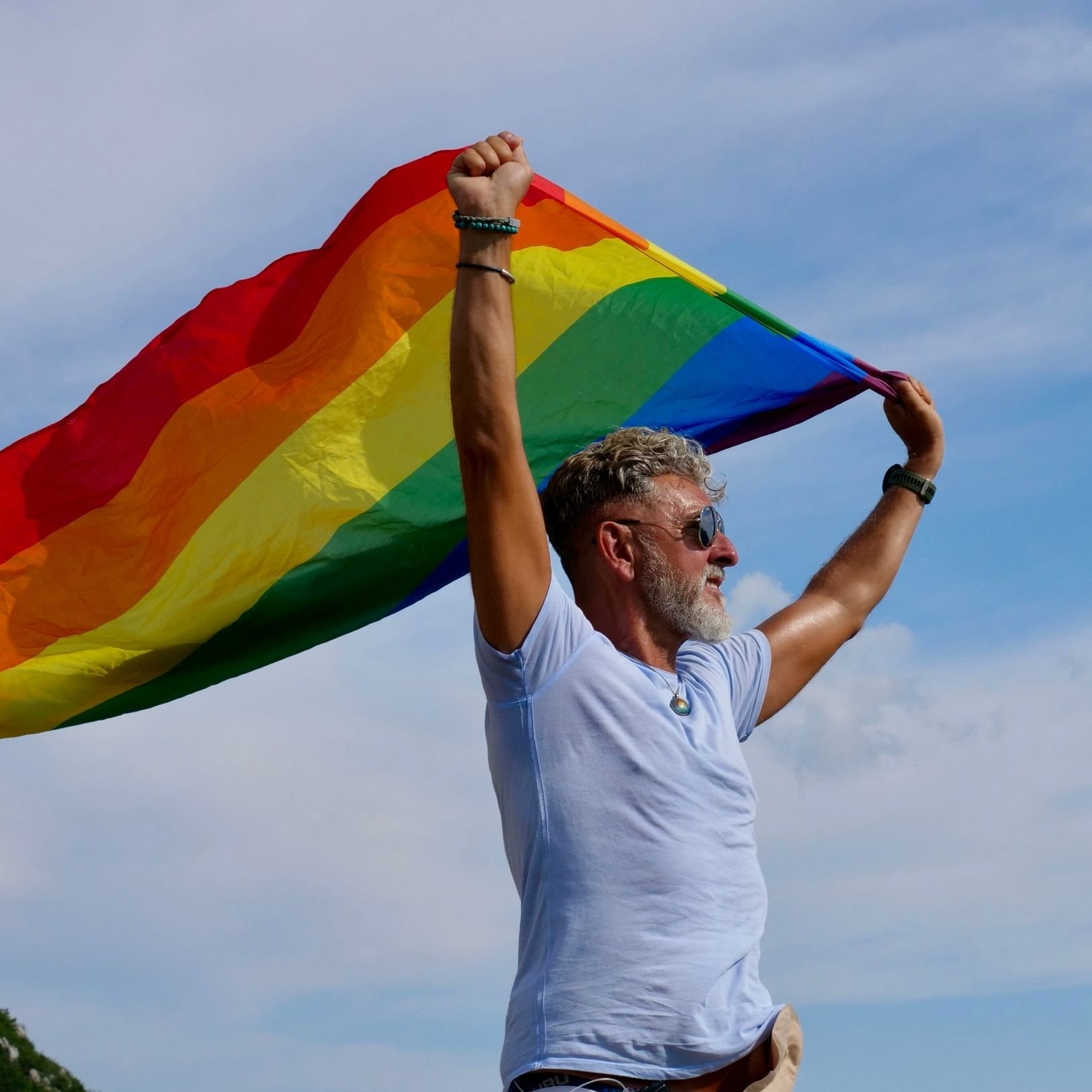
LGBTQ-affirming therapy offers a safe, inclusive space for individuals to explore their identities, process emotional challenges, and build resilience. For gay men, therapy can be a transformative experience, addressing unique pressures such as navigating societal stigma, managing relationships, and coping with mental health challenges like depression.

Understanding gender identity is a journey into a world full of rich and diverse experiences. At its heart, gender identity is about who you know yourself to be, beyond just the labels society might put on you. It’s a deeply personal part of who we are, and expressing it can be a powerful way to connect with yourself and the world around you.