We Are Still Here: Mental Health, Pride, and the Power of Community
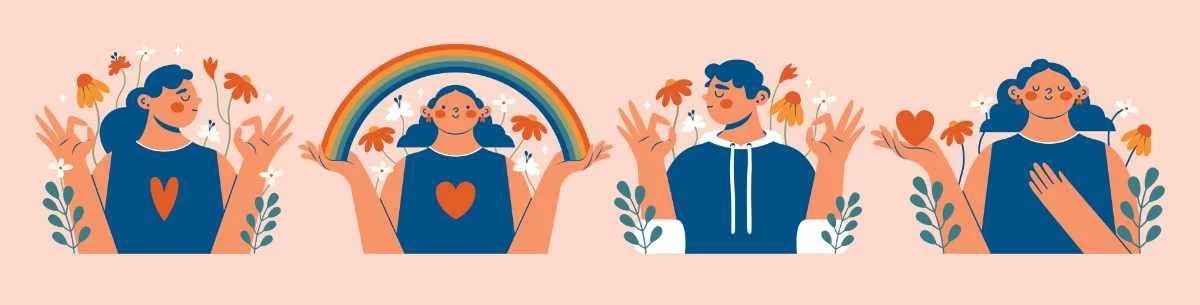
Learn to love yourself! Therapy is a good way to start.
May is Mental Health Awareness Month — and for the LGBTQ+ community, mental health and identity have always been inseparable.
May is Mental Health Awareness Month, and this year, it arrives with a particular weight. For LGBTQ+ people across the United States, the headlines can feel relentless — executive orders, legislation targeting trans youth, the rollback of hard-won protections, and a political climate that too often treats our identities as something to be debated rather than celebrated. If you are feeling anxious, exhausted, or heartbroken by what's happening, that is a completely valid response to a genuinely difficult moment. But this month — and every month — we want to say clearly and without hesitation: you are not alone, and we are not going anywhere.
We Have Been Here Before
The LGBTQ+ community has faced hostility from those in power before. Long before there were Pride flags on corporate buildings or rainbow crosswalks in city squares, our ancestors were building community in the margins — in bars, in living rooms, in church basements, in the streets. The road to where we stand today was paved by people who had every reason to give up and didn't.
In 1965, a full four years before the Stonewall Uprising, activists gathered at Independence Hall in Philadelphia for what became known as the Annual Reminder — one of the first organized public demonstrations for LGBTQ+ civil rights in American history. Among the organizers was Barbara Gittings, a fierce lesbian activist who would later help lead the fight to have homosexuality removed from the DSM — a battle with direct relevance to the mental health field. Men and women marched in their most respectable clothes, suits and dresses, carrying signs that read simply: "15 Million Homosexual Americans Ask for Equality, Dignity and Freedom." They were laughed at, photographed by the FBI, and largely ignored by the press. They came back every year anyway.
And Philadelphia's roots run even deeper. Bayard Rustin — one of the most brilliant organizers in American history — grew up in West Chester, just outside the city. A Black, openly gay man, he was the chief architect of the 1963 March on Washington, the very event where Dr. Martin Luther King Jr. delivered his "I Have a Dream" speech. Rustin was deliberately kept in the background by movement leaders who feared his sexuality would be used against the cause. He gave everything and was erased for it. Only in his later years did he begin to receive the recognition he had always deserved. His story is a reminder that LGBTQ+ people have always been at the heart of every liberation movement — even when they were forced to stand at its edges.
Philadelphia was already a city of resistance before the rest of the country knew there was a movement. Then came Stonewall. And with it, a new generation of radicals who refused to be erased.
The Heroes Who Lit the Way
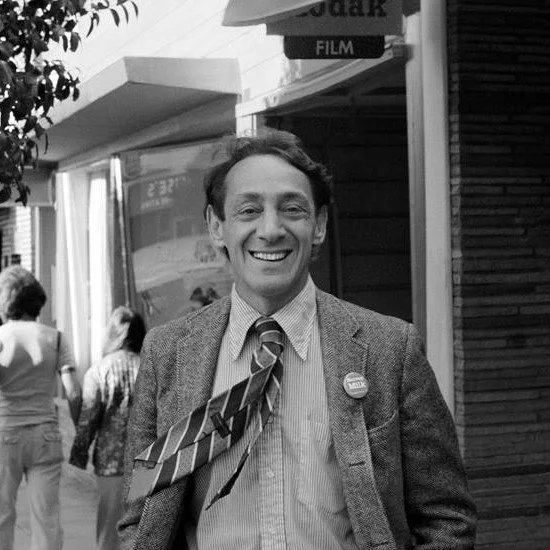
Harvey Milk
knew that visibility was survival. Elected to the San Francisco Board of Supervisors in 1977, he became the first openly gay man to hold public office in California — and he used every moment of that platform to tell LGBTQ+ people, especially young people, that their lives were worth living. "You gotta give 'em hope," he said. He was assassinated in 1978, but the hope he lit has never been extinguished.
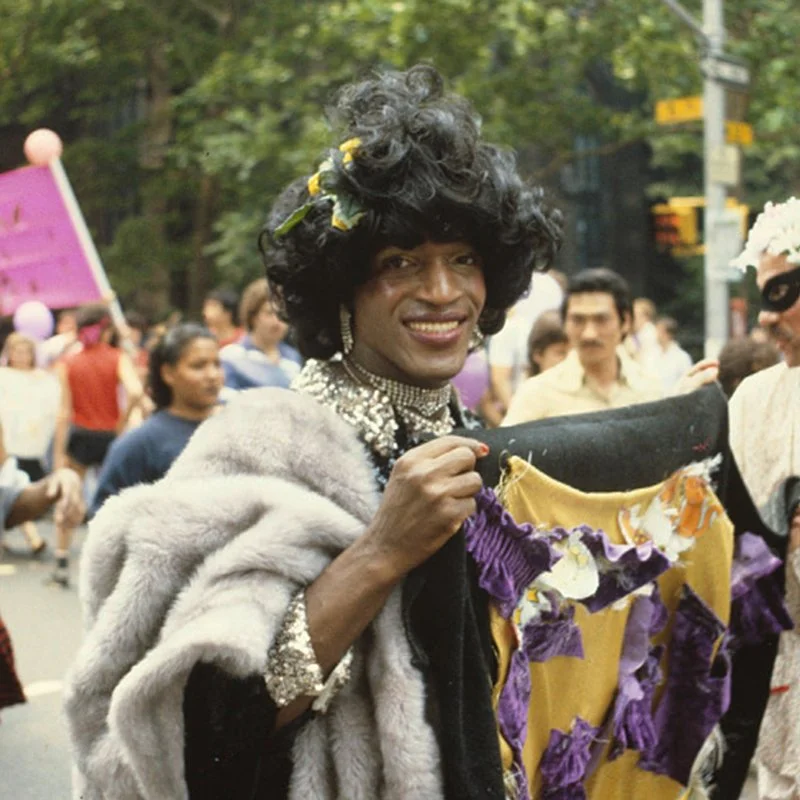
Marsha P. Johnson
was a Black transgender woman, a drag performer, and a tireless activist who was present at the Stonewall Uprising and spent her life fighting for those who had even less than she did. She co-founded STAR — Street Transvestite Action Revolutionaries — with Sylvia Rivera, providing housing and support for homeless queer and trans youth of color in New York City decades before most nonprofits would touch the issue. She did this with almost no resources and boundless love. When the world asks what trans activism looks like, the answer begins with Marsha.

Christine Jorgensen
made history in 1952 when she became one of the first widely known Americans to undergo gender-affirming surgery — and then lived her life publicly, with grace and humor, at a time when doing so took extraordinary courage. She gave countless trans women permission to exist, simply by existing herself. In a moment when trans feminine lives are under particular attack, her legacy reminds us that trans women have always been here, have always been resilient, and have always been worthy of dignity.
These were not perfect people. They were human beings who chose, over and over again, to show up — and that choice changed history.
Today's Torchbearers
The tradition of showing up continues.
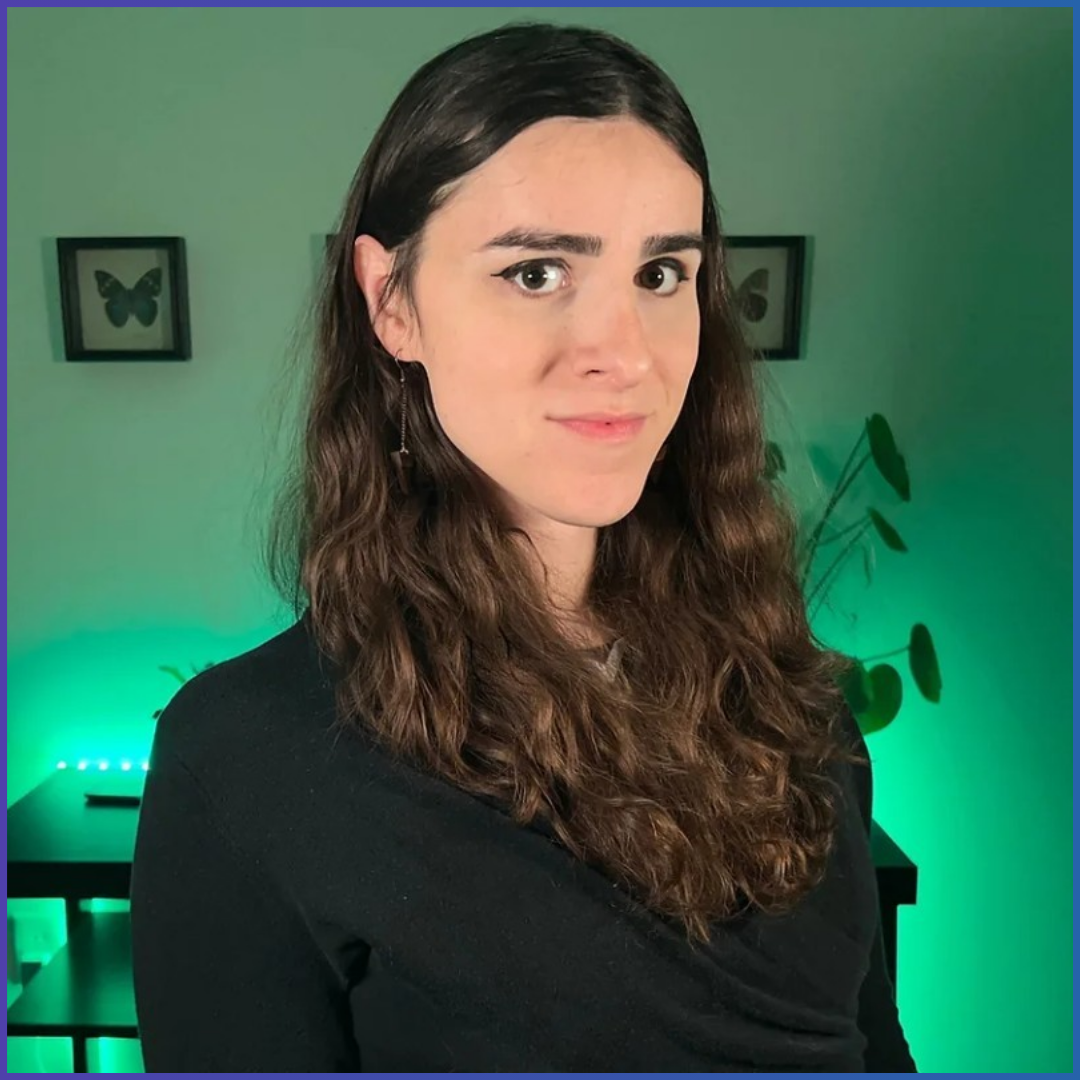
Erin Reed,
the journalist behind Erin in the Morning, has become an indispensable resource for the trans community, tracking anti-trans legislation across the country with meticulous, unflinching care. In a media landscape that often gets it wrong or doesn't cover it at all, Erin's work gives the community accurate information — and reminds us that documentation is a form of resistance.
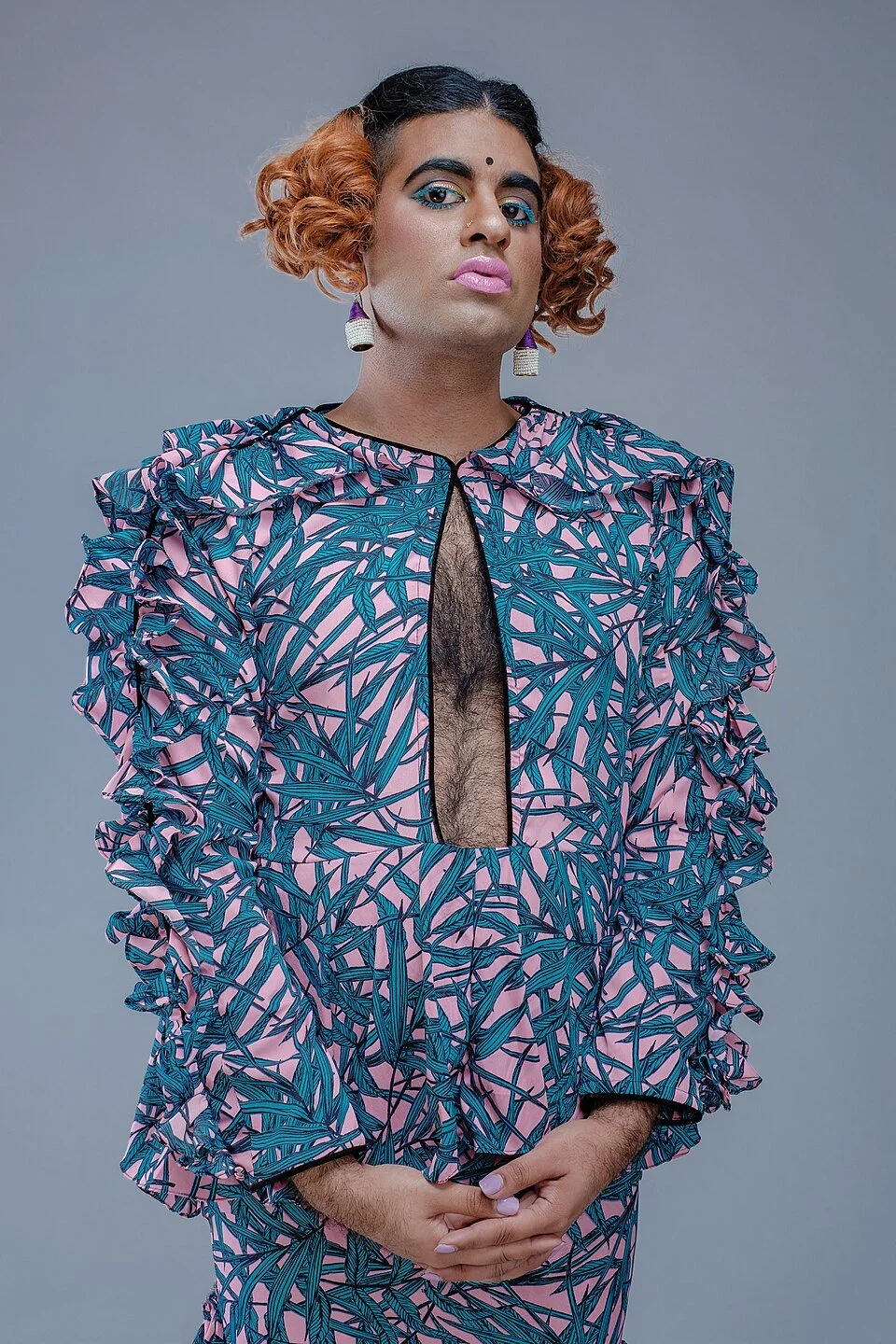
Alok Vaid-Menon,
author, poet, and performance artist, is doing something just as vital: expanding our imagination. Through their writing and their art, Alok challenges the gender binary not with anger but with beauty, asking the world to consider that gender diversity is not a modern invention but a human inheritance. In a moment when trans and nonbinary people are being told they don't exist, Alok insists — joyfully, defiantly — that we do.
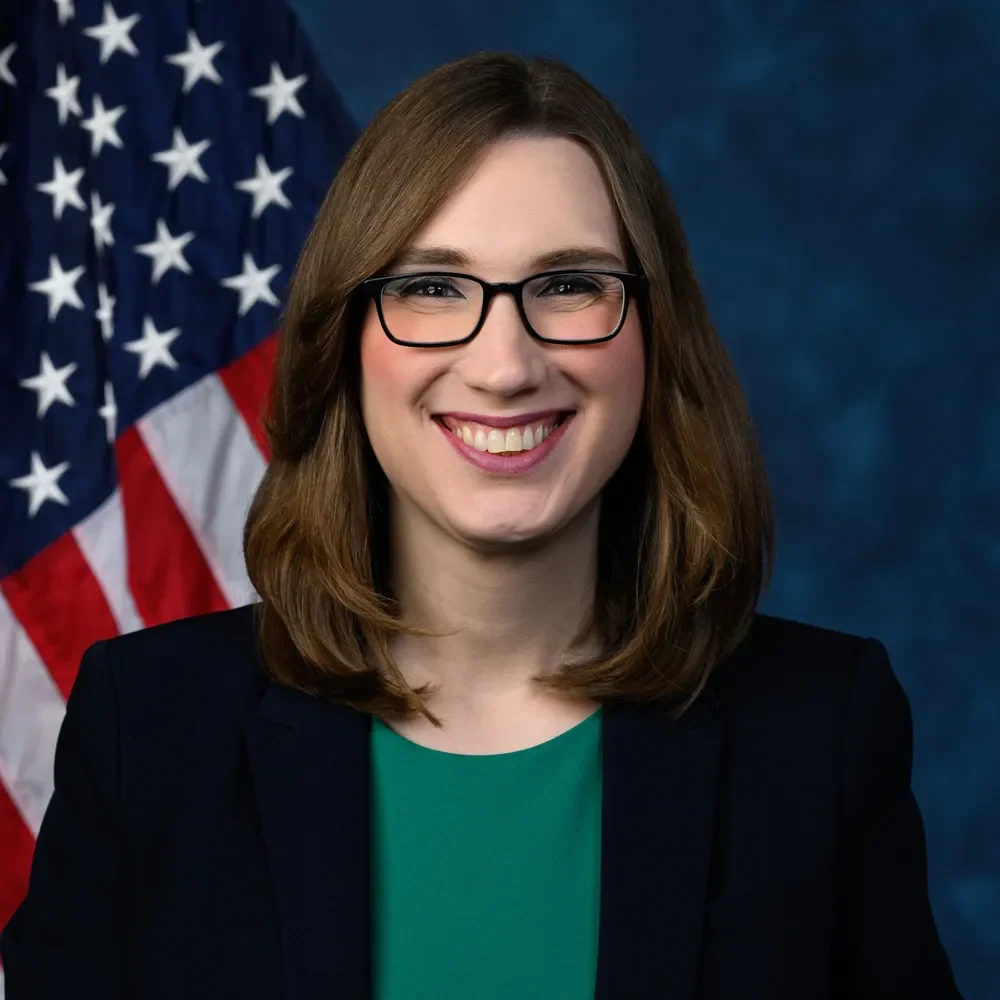
Sarah McBride
made history in 2024 when she was elected to the United States Senate, becoming the first openly transgender person to serve in that body. Her election — and her refusal to be silent or sidelined once there — is proof that representation in the halls of power is possible, and that it matters.

Chase Strangio,
a staff attorney at the ACLU, has become one of the foremost legal defenders of trans rights in the country, arguing landmark cases before the Supreme Court and translating complex legal battles into language the community can understand and act on. In a moment when the courts are one of our last lines of defense, Chase is on the front line.
These voices matter. Following them, sharing their work, and supporting what they build is one meaningful way we can take care of our community right now.
Pride Is a State of Mind, Not a Month
June will come with its parades and its parties, its corporate floats and its rainbow merchandise. All of that has its place. But Pride — real Pride — is not something that happens once a year and then gets packed away with the decorations. Pride is the quiet act of refusing to be ashamed of who you are in a world that has worked very hard to make you feel that you should be. It is the friend who texts to check in. It is the therapist who uses your correct name without being asked. It is showing up to your local LGBTQ+ center even when you're not sure you belong. It is the decision, every single day, to keep going.
You don't have to be loud about it. You don't have to be visible if visibility isn't safe for you right now. Pride can be the private knowledge, held close, that you are worthy of love and care and a full life — regardless of what any politician says.
Please Reach Out
Mental health support for LGBTQ+ people isn't a luxury. It is a necessity, and you deserve it. At Arrive Therapy, we provide affirming, culturally competent care for LGBTQ+ individuals and couples. Our queer-identified therapists understand the specific stressors our community faces — minority stress, family rejection, gender dysphoria, the cumulative weight of living in a world that too often isn't built for us — and we meet you where you are.
If you're not sure where to start, reach out to us, or connect with one of the resources below. You do not have to navigate this alone. We are here. We have always been here. And we are not going anywhere.
Resources
🏳️🌈 Arrive Therapy — Affirming therapy for LGBTQ+ adults and teens, families, and couples arrivetherapy.com
📞 The Trevor Project — 24/7 crisis support for LGBTQ+ youth (call, text, or chat) thetrevorproject.org | Call or text 988 (press 3 for LGBTQ+ support)
🌈 It Gets Better Project — Stories, resources, and community for LGBTQ+ youth itgetsbetter.org
📱 Crisis Text Line — Text HOME to 741741 to reach a trained crisis counselor crisistextline.org
🏠 LGBTQ+ National Help Center — Peer support, local resource referrals, and more lgbthotline.org | Call 1-888-843-4564
📰 Erin in the Morning — Trans news and legislative tracking by Erin Reed erininthemorn.substack.com
✍️ Alok Vaid-Menon — Writing, art, and community alokvmenon.com
🔍 Find Your Local LGBTQ+ Center — CenterLink directory of LGBTQ+ community centers nationwide lgbtcenters.org
This post was written by the team at Arrive Therapy in honor of Mental Health Awareness Month. We see you. We're with you.