

What Is EMDR Therapy and How Does It Help Trauma Survivors?
If you're struggling with the lingering effects of trauma, you may feel like healing requires years of difficult emotional work. But what if there was a faster path forward?

EMDR uses bilateral eye movements—typically following a therapist's fingers—to help process traumatic memories and reduce their emotional intensity.
EMDR therapy (Eye Movement Desensitization and Reprocessing) is a scientifically validated approach that's transforming how trauma survivors—including members of the LGBTQ+ community—recover from their deepest wounds.
Understanding EMDR Therapy for Trauma
EMDR is a psychotherapy treatment designed to alleviate the distress associated with traumatic memories. Developed in 1987 by psychologist Francine Shapiro, it's based on a model called Adaptive Information Processing (AIP), which suggests that trauma becomes embedded in our neural networks and prevents normal emotional processing.
Think of it this way: when you cut your hand, your body works to close the wound. If a foreign object irritates it, the wound festers. Once the block is removed, healing resumes. EMDR therapy demonstrates that a similar sequence occurs with mental processes. Your brain has natural healing mechanisms, and EMDR helps activate them.
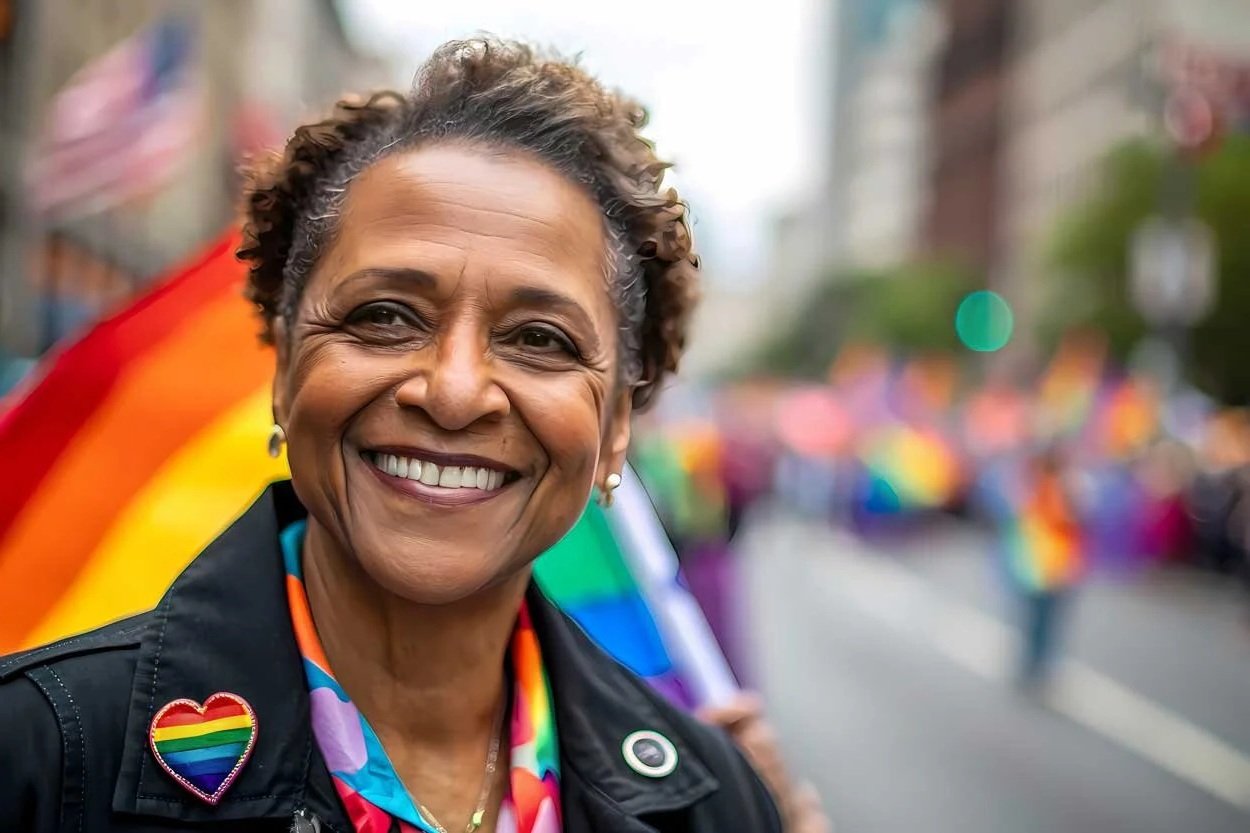
EMDR at Arrive Therapy
Arrive therapists all identify somewhere under the LGBTQ+ umbrella and bring their lived experience to the therapy space.
How EMDR Actually Works
During an EMDR session, you won't be required to discuss your trauma in exhaustive detail. Instead, the therapy involves revisiting traumatic memories while the therapist facilitates lateral eye movements. Unlike cognitive behavioral therapy (CBT), EMDR does not involve direct challenging of beliefs, extended exposure, or homework .
A typical session lasts 60–90 minutes and includes eight distinct phases. For a single disturbing event or memory, it usually takes between three and six sessions. More complex or longer-term traumas may take eight to 12 sessions.
The mechanism is elegantly simple: During EMDR sessions, bilateral stimulation (typically eye movements) is used while the client focuses on distressing memories. This process helps desensitize the emotional response associated with the memory and allows the individual to reframe it in a healthier context.
The Evidence: EMDR Works, and It Works Fast
The research supporting EMDR is remarkably robust. Dozens of studies have found that EMDR is effective, and it tends to work faster than other forms of therapy, with people receiving EMDR typically starting to see results much sooner.
The numbers are striking. Studies show that 84%-90% of single-trauma victims no longer have post-traumatic stress disorder after only three 90-minute sessions. Another study found that 100% of single-trauma victims and 77% of multiple trauma victims no longer were diagnosed with PTSD after only six 50-minute sessions.
Major health organizations have taken notice. The American Psychiatric Association, the U.S. Department of Veterans Affairs and Department of Defense, the United Kingdom's National Institute for Health Care and Excellence (NICE), and the World Health Organization now recognize the effectiveness of EMDR therapy.

EMDR and Trauma in the LGBTQ+ Community
For LGBTQ+ individuals, trauma often has a unique character. Members of the LGBTQIA+ population experience trauma on multiple levels including community-wide trauma, familial trauma, and individual trauma. They have a greater likelihood of having endured childhood trauma due to their perceived sexual orientation and mistreatment from peers and family. As adults, they are more at risk for violence and discrimination.
EMDR therapy can help heal the trauma of LGBTQ individuals caused by assault, sexual assault, or LGBTQ conversion therapy. Establishing a safe or calm place, grounding techniques, or developing internal resources during phase 2 of EMDR can be powerful for people who have experienced threatening messages from society.
The benefits extend beyond symptom relief. EMDR helps LGBTQ+ individuals by addressing internalized shame, enabling them to reprogram their brains to a place of self-acceptance and love. For those struggling with internalized homophobia or transphobia, EMDR offers a path to genuine self-affirmation.
Why Choose EMDR Over Other Therapies?
Several factors make EMDR distinctive:
Speed: People receiving EMDR typically start seeing results much sooner than with other forms of therapy.
Less Homework:EMDR usually involves only writing down any thoughts or ideas you want to bring up at your next session, unlike other forms of therapy that typically involve journaling or other types of homework outside of sessions.
Less Stressful: EMDR focuses on processing and moving past your trauma, rather than having you describe and relive negative events.
Flexibility: EMDR does not necessarily need to be confined to an in-person, in-office setting to be effective, with research showing that treatments were equally effective when done in weekly one-on-one sessions or in intensive daily group sessions.
Finding the Right EMDR Therapist
If you're considering EMDR, working with a trained, certified therapist is crucial. The EMDR International Association (EMDRIA) has more than 18,000 members trained to provide EMDR therapy, and you can search their directory to find qualified professionals in your area.
For LGBTQ+ individuals specifically, seeking out an affirming EMDR therapist who understands the unique dimensions of queer trauma is essential. Many therapists now specialize in both EMDR and LGBTQ+-affirming care, creating spaces where you can heal without having to explain the context of your pain.
Your Path to Healing
Trauma doesn't have to define your future. Whether you experienced a single devastating event or have carried the weight of systemic discrimination and family rejection, EMDR therapy shows that the mind can in fact heal from psychological trauma much as the body recovers from physical trauma.
The journey to healing is deeply personal, but you don't have to take it alone. If you're ready to transform the wounds of your past into sources of strength, EMDR therapy may be the breakthrough you've been seeking.