

An Introduction to Wes Harris
Arrive Therapy is proud to offer gender-affirming voice coaching with Wes (he/him), a transmasculine musician and educator who sees voice work as both a technical craft and a deeply personal process.
For many trans and nonbinary people, voice is one of the most tender parts of gender, intimate and tied to how we move through the world. Wes creates a space where you can explore your voice with curiosity, playfulness, and care instead of shame or pressure.

Wes Harris
Wes is a multi-instrumentalist who spent much of his 20s in DIY bands as a drummer and guitarist, has taught in public schools as the “modern band” (rock band) teacher, music-directs children’s theater, plays D&D, crochets, and lives in Philadelphia with his beloved cat, Ghost.
As a gender-affirming voice coach, Wes doesn’t focus on “fixing” your voice; he focuses on expanding what’s possible. Sessions center on exploration: noticing what your voice already does, discovering new “colors” and sounds, and building concrete skills to move toward a voice that feels more aligned with who you are. Coming from a teaching and music background, he breaks concepts down into clear, doable steps and always connects practice to real life, like reading aloud or role-playing phone calls, so your new skills can show up in everyday moments.
Wes’ path into this work is rooted in his own transition. He started out as an instrumental music teacher, and when he began testosterone in his mid-20s, his voice changed dramatically. He lost range and flexibility, and singing became painful in a way that felt devastating as a musician. That experience pushed him into a deep dive on how voices work and how to rebuild function after hormonal change, eventually drawing him into vocal music, then trans singers, and finally into speech and everyday voice coaching for trans and nonbinary folks. For Wes, there’s no real separation between speaking and singing. They’re the same instrument, the same body, so naturally exploring voice is a natural part of exploring gender.

As a gender-affirming voice coach, Wes doesn’t focus on “fixing” your voice; he focuses on expanding what’s possible. Sessions center on exploration: noticing what your voice already does, discovering new “colors” and sounds, and building concrete skills to move toward a voice that feels more aligned with who you are.
If you’re carrying a lot of voice dysphoria, your first session with Wes is designed to be gentle and collaborative. You’ll start with a conversation about what brings you in, what you like (if anything) about your voice, and what feels hardest, whether that’s hearing yourself on recordings or speaking on the phone.
From there, he introduces four core pieces that shape how a voice is gendered and perceived: pitch (how high or low your voice sits), resonance (brighter/forward vs darker/richer), vocal weight (lighter vs heavier sound), and inflection (how much your pitch moves and how expressive your speech is).
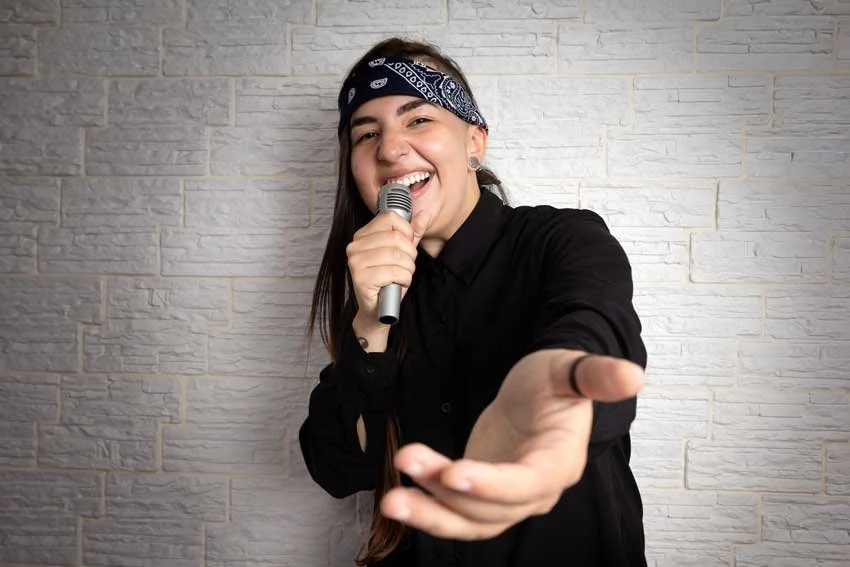
You might do simple exercises to feel each of these in your body, sliding pitch up and down, brightening or darkening resonance, trying lighter or heavier sounds, before bringing any of it into real-world practice.
Wes’ path into this work is rooted in his own transition. He started out as an instrumental music teacher, and when he began testosterone in his mid-20s, his voice changed dramatically.
Recording and listening back can be helpful, but only if it’s emotionally manageable; if hearing your own voice feels overwhelming, Wes will move at your pace and find other ways to gather information. The focus is on curiosity and shared language, not judgment.
Over time, he weaves confidence-building into the work through repetition and intentionally playful exercises that make it safer to try new sounds. That might look like practicing how you want to introduce yourself in a new space or using “silly” vocal games to get you out of your head and into your body.
If you’re carrying a lot of voice dysphoria, your first session with Wes is designed to be gentle and collaborative.
Because everyone’s gender and goals are different, Wes adapts closely to the person in front of him. Some clients want a more traditionally feminine or masculine voice; others want something fluid or androgynous, or a voice that shifts by context.
Rather than chasing a narrow ideal, he helps you explore the full range of what your voice can do so you can choose what feels genuinely right for you. He often describes this work as adding colors to your palette: once you’ve experienced the full spectrum, you can land in a sound that feels like home.
Some clients want a more traditionally feminine or masculine voice; others want something fluid or androgynous, or a voice that shifts by context.

Mindset is a big part of what Wes wishes people knew before starting. Voice work can be weird and surprisingly emotional. You may make sounds that feel awkward or “wrong,” or bump into feelings you didn’t expect. Wes invites you to come in with as much openness and self-compassion as you can, and to treat the process as exploration rather than performance.
He doesn’t believe in “bad” sounds and holds space for whatever comes up, whether that’s laughter, frustration, or tears.
One of his favorite success stories is a client who initially rated her feelings about her voice as a three out of ten and struggled to name anything she liked. Over several months of working together, shifting from “I hate my voice” to neutral description, building specific skills, and practicing acceptance alongside technique, her relationship to her voice changed. The sound itself became more congruent with her gender, but just as importantly, her self-judgment softened. Eventually, her rating moved up into the nine-to-ten range, not because her voice became “perfect,” but because it became hers in a new way.
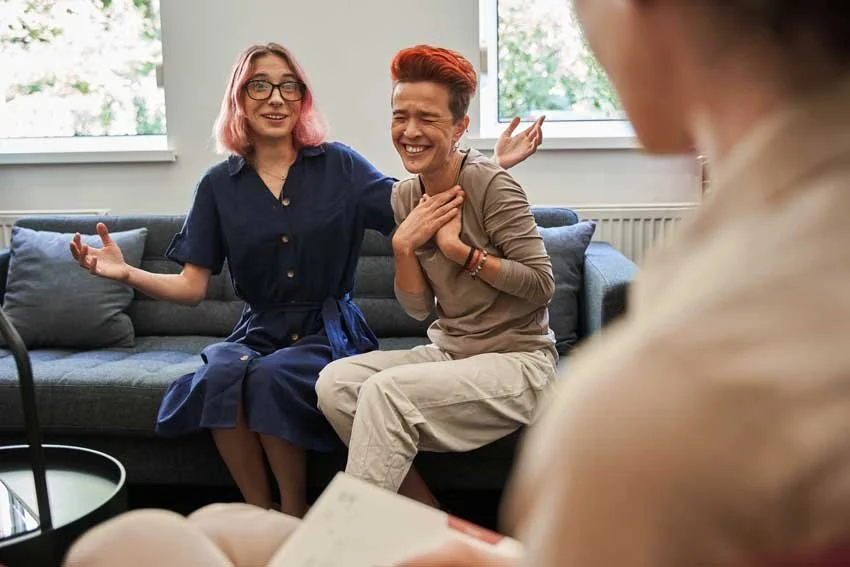
Wes introduces four core pieces that shape how a voice is gendered and perceived: pitch (how high or low your voice sits), resonance (brighter/forward vs darker/richer), vocal weight (lighter vs heavier sound), and inflection (how much your pitch moves and how expressive your speech is).
Outside of coaching, Wes is a multi-instrumentalist who spent much of his 20s in DIY bands as a drummer and guitarist, has taught in public schools as the “modern band” (rock band) teacher, music-directs children’s theater, plays D&D, crochets, and lives in Philadelphia with his beloved cat, Ghost.
Wes music-directs children’s theater, plays D&D, crochets, and lives in Philadelphia with his beloved cat, Ghost.
He loves working with queer and trans people at all levels of experience, absolute beginners, curious experimenters, and seasoned performers alike, and believes everyone deserves access to their own sound as a source of expression, connection, and joy.
If you’re feeling nervous, ashamed, or simply curious about your voice, working with Wes is an invitation to explore that part of yourself in a low-pressure, collaborative space.
You don’t need to have the perfect goal or the right words; you just need a spark of wanting something different. From there, you and Wes can start discovering what it might feel like for your voice to sound a little more like you.