When “Help” Hurts: What Conversion Therapy Does to Ordinary Kids and Their Families
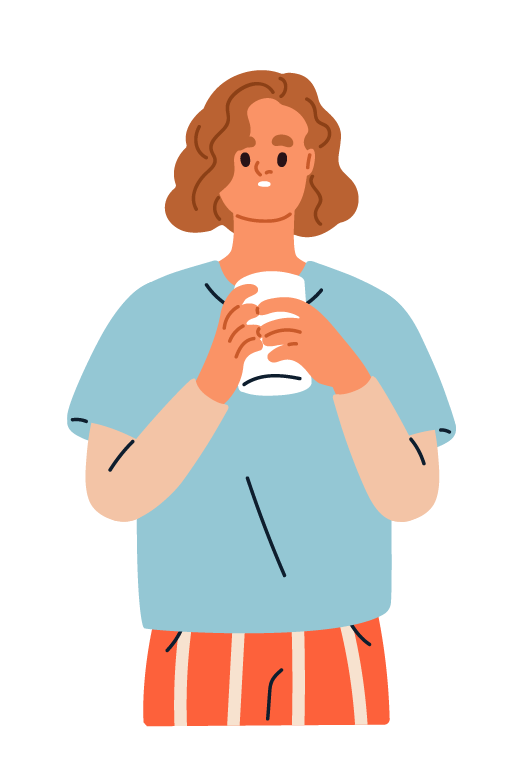
“I thought I was helping.”
On a Tuesday night, before anything changed, Jamie sat at the kitchen counter doing algebra homework while their mom chopped carrots for dinner.
“Can you check number seven?” Jamie asked, sliding the paper across the counter.
Their mom wiped her hands and leaned in. “You always rush the last step,” she said, smiling. “Slow down—you’ve got it.”
Jamie rolled their eyes. “I do have it.”
“You do,” she said. “I’m just here in case.”
That was the rhythm of their relationship—small check-ins, easy closeness, the quiet assumption that home was a safe place to land.
A few months later, Jamie sat in a different chair, in a different room, across from a counselor their parents had found through church.
“This is about helping you live the life you were meant to live,” the counselor said.
Jamie nodded, eyes fixed on the floor.
That night at dinner, Jamie barely spoke.
“Are you okay?” their mom asked.
“I’m fine.”
“You can tell me anything,” she said.
Jamie hesitated, then shrugged. “I know.”
But something had shifted. The words sounded the same. The meaning didn’t.
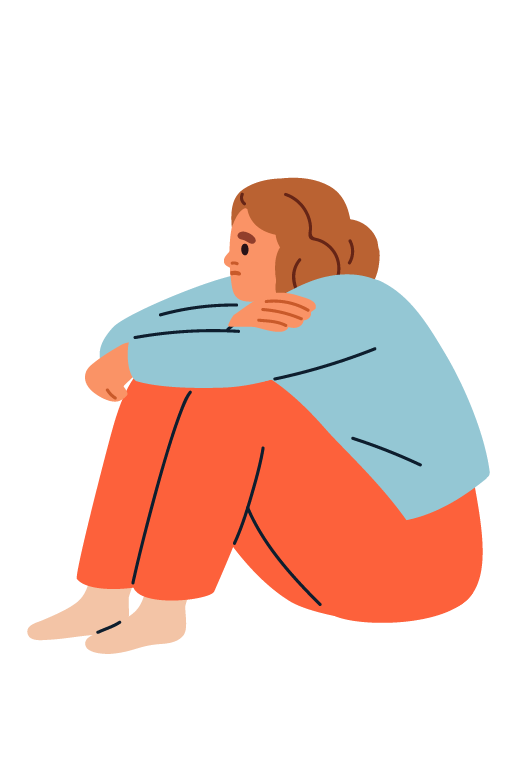
Many parents who pursue conversion therapy don’t see themselves as causing harm. Across accounts documented by organizations like the Human Rights Campaign and Born Perfect, a common thread emerges:
“I thought I was helping.”
Parents describe fear—fear their child will face discrimination, isolation, or a harder life. Some turn to therapists or religious counselors believing they’re choosing protection, not punishment.
But on the other side of that decision, children often experience something very different.
“I learned I wasn’t safe.”
In testimonies shared through The Trevor Project and Stonewall UK, survivors describe the moment their home stopped feeling like a place of unconditional love. Not always through overt cruelty—but through implication.
If something core to who you are needs to be fixed, what does that say about how you’re seen?

Alex was the kind of kid who left their bedroom door open.
Music playing, friends texting, constant movement in and out of family space.
Their dad used to joke, “Do you ever want privacy?”
“Nah,” Alex said. “You’d miss me.”
After starting conversion therapy, the door stayed closed.
At first, it was subtle. Fewer jokes. Headphones on more often.
Then one night, their dad knocked.
“Can we talk?”
A pause. Then: “About what?”
“Just… everything.”
“I have homework.”
“You always have time.”
Another pause. Longer this time.
“I don’t anymore.”
The language used in conversion therapy often lingers long after the sessions end.
Phrases like:
“This is a phase.”
“You’ve been influenced.”
“You’re choosing this.”
“You can overcome it.”
In reports from the American Psychological Association and survivor networks, these words don’t just pass through—they settle in.
Years later, survivors describe second-guessing their own feelings, questioning their worth, and struggling to trust others. Not because of one dramatic moment, but because of repeated messaging that who they were couldn’t be trusted.
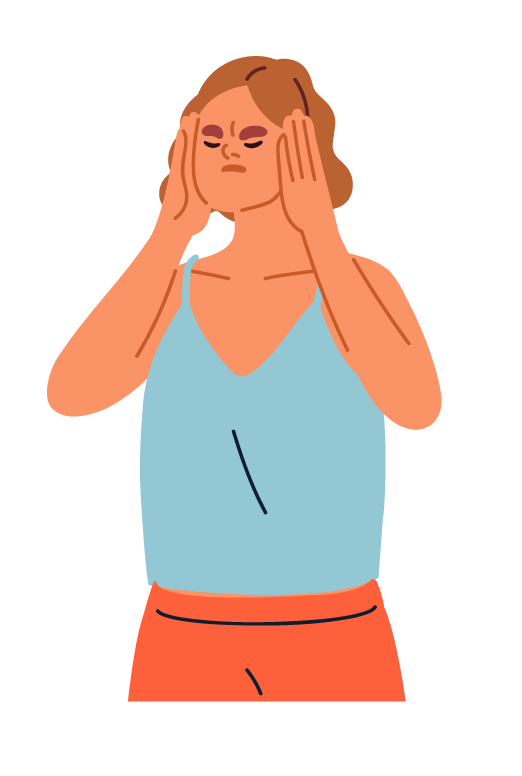
One survivor recalled being told, “Your parents just want the real you back.”
“I spent years wondering which version of me was real, before learning I could just love who I am,” they said.
There are moments—small, pivotal ones—where something else could have been said.
“I told my mom I didn’t think I was like other girls,”
-one survivor shared through a GLAAD testimony.
“What I heard: ‘We need to fix this before it goes too far.’”
They paused. “What I needed was:
‘You don’t have to have this figured out. I’m here.’”
Another remembered sitting in a car after finally saying the words out loud.
“I thought my dad would hug me,” he said.
Instead, his dad stared straight ahead and said,
“We’ll get you help.”
He said later:
“I didn’t need help, I needed him.”
The long-term impact isn’t always visible from the outside.
A college student who avoids going home for holidays but tells friends it’s because of “travel costs.”
An adult who rehearses conversations before calling their parents, editing out parts of their life.
A once-talkative kid who learned how to give safe, surface-level answers—and never quite unlearned it.
A young adult who has spent years trying suicide and failing. This time.
These are the aftereffects described again and again in survivor-led spaces like the Conversion Therapy Survivor Network.
Not just pain, but distance.
Not just conflict, but disconnection.
And yet, before all of this, these were just kids.
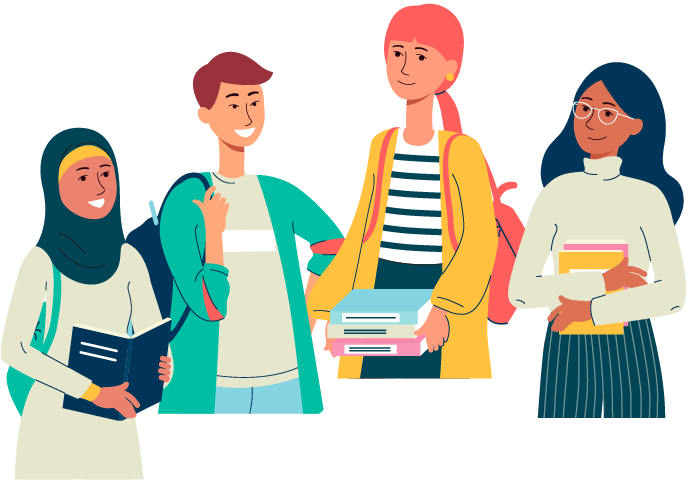
They were children, looking to their parents—as children do—for safety, reassurance, and love that doesn’t shift when something unexpected is revealed.
Kids who forgot to take out the trash.
Kids who argued with siblings over the TV remote.
Kids who stress-texted friends about math tests, who stayed up too late on their phones, who asked for rides and snacks and advice.
A kid baking cookies and making a mess of the kitchen.
A kid nervously trying out for the school play.
A kid asking, “Can you check number seven?”
They weren’t problems to be solved.
They were children, looking to their parents—as children do—for safety, reassurance, and love that doesn’t shift when something unexpected is revealed.
When that safety disappears, the loss isn’t abstract. It shows up in closed doors, in shorter conversations, in the quiet recalibration of what feels safe to share.
And once that trust is broken, rebuilding it is far harder than protecting it in the first place.
Read more of our writing on the intersection of religion and LGBTQ identities:
God’s Design: Why Transgender People Reflect God’s Divine Creation
Why Conversion Therapy Is Harmful: What Parents Need to Know When Their Child Comes Out
Protecting Your LGBTQ+ Child: What Christian Parents Should Know About Conversion Therapy
Many Faiths, Many Identities: How World Religions Have Long Made Room for LGBTQ+ People
References
🏛️ Advocacy & Legal Organizations
Born Perfect: A campaign by the National Center for Lesbian Rights (NCLR) dedicated to ending conversion therapy. They host a collection of survivor stories and provide legal context on the practice.
The Trevor Project: Offers an extensive Resource Center featuring documentaries like "Sharing Space," which includes roundtable discussions with survivors.
Human Rights Campaign (HRC): Provides detailed fact sheets and articles that often feature survivor testimonies to illustrate the impact of the practice in the U.S.
Stonewall UK: Features a series of verified personal accounts from survivors in the United Kingdom, highlighting the global nature of these experiences. [1, 2, 3]
🏥 Medical & Mental Health Perspectives
American Psychological Association (APA): While focused on research, the APA publishes reports and case studies that include patient experiences to underscore the psychological harm caused.
GLAAD: Their Conversion Therapy Navigator provides media resources and links to survivor voices to help verify and contextualize stories. [4, 5]
🕊️ Survivor-Led Networks
Conversion Therapy Survivor Network: A 501(c)(3) nonprofit created by and for survivors. They focus on community building and provide a platform for survivors to share their healing journeys.
Conversion Therapy Dropout Network: A peer-support network that offers resources specifically for those who have left conversion therapy programs. [6, 7] 🎞️ Documentary & Media Collections
Pray Away (Netflix): The official website for the documentary Pray Away includes additional resources and stories from former leaders and survivors of the "ex-gay" movement.
Mermaids UK: Offers stories specifically focused on transgender and gender-diverse youth who have undergone conversion attempts. [8, 9]
Further Reading:
[2] https://www.campaignlive.com
[3] https://www.stonewall.org.uk
[5] https://doublethedonation.com
[6] https://www.conversionsurvivor.org
[7] https://www.esaalliance.org
[9] https://www.prayawayfilm.com